
A fade paint job on a car is a stunning way to customize your vehicle, transitioning seamlessly from one color to another, or from a lighter to a darker shade. This intricate painting technique, while rewarding, requires precision, patience, and the right approach. If you’re looking to achieve a professional-grade fade paint job on a car, understanding each step, from meticulous preparation to the final clear coat, is crucial for a flawless and durable finish. This comprehensive guide will walk you through the entire process, empowering you to transform your car’s appearance.
Understanding the Fade Paint Job
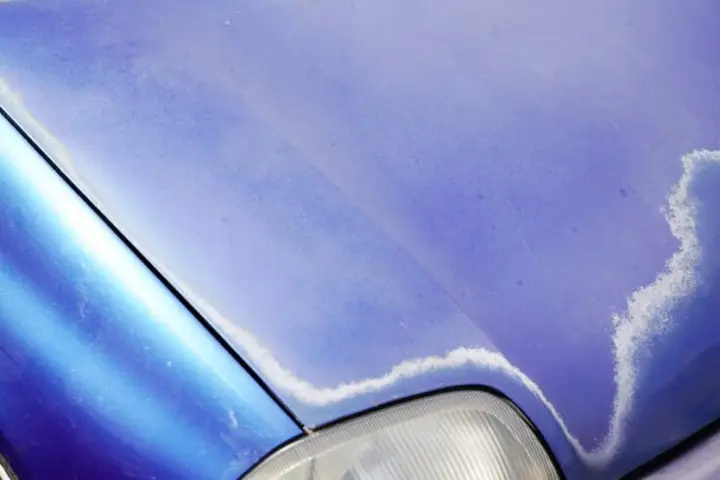
A fade paint job, also known as a gradient or ombre effect, involves blending two or more colors on a vehicle’s surface so that they gradually transition into each other. This creates a soft, continuous flow of color rather than a sharp, distinct line. The aesthetic appeal of a fade lies in its fluidity and the illusion of depth it can create. It’s a popular choice for customizers seeking a unique look that stands out, often seen on show cars, hot rods, and personalized daily drivers.
What is a Fade Paint Job?
At its core, a fade paint job is an artistic application of automotive paint that utilizes controlled overlapping spray patterns to achieve a smooth color shift. Unlike a two-tone paint job with a clear dividing line, a fade relies on varying paint thickness and distance from the surface to achieve its seamless blend. This technique can be applied in various directions—horizontal, vertical, or even diagonally—and can involve simple two-color transitions or complex multi-color gradients. The goal is to make it appear as though the colors naturally flow into one another, with no visible start or end point for each individual shade.
Why Choose a Fade?
Choosing a fade paint job for your car offers several compelling advantages beyond mere aesthetics. Firstly, it provides an unparalleled level of customization, allowing car owners to express their personality and artistic vision. A well-executed fade can turn an ordinary vehicle into a rolling piece of art, significantly enhancing its visual impact and potential resale value to enthusiasts. Secondly, the subtle transitions can highlight a car’s body lines and curves in a way that solid colors or sharp two-tones cannot. This effect adds depth and dimension, making the car appear more dynamic. Finally, it demonstrates a commitment to quality and detail, as only a skilled application can achieve truly smooth, professional fades, reflecting a high level of craftsmanship.
Types of Fades
There’s a wide spectrum of fade paint jobs, each offering a distinct visual effect. The most common type is the color-to-color fade, where two contrasting or complementary colors are blended. For example, a fiery red transitioning into a deep orange, or a cool blue fading into a vibrant green. Another popular variation is the light-to-dark fade, often using different shades of the same color, starting with a pale hue and gradually deepening to a rich, intense version. This creates a sophisticated, understated gradient. More complex fades can involve multi-color transitions, where three or more colors are woven together, or even patterned fades, where a specific design or graphic gradually disappears into the base color. Each type requires a slightly different approach in terms of masking and spray technique, but the underlying principles of blending remain consistent.
Essential Tools and Materials

Before you even think about touching your car with sandpaper, gathering all the necessary tools and materials is paramount. Attempting a fade paint job without the right equipment can lead to frustration, wasted materials, and a substandard finish. Investing in quality tools will not only make the job easier but also contribute significantly to the final outcome.
Safety Gear
Safety should always be your top priority when working with automotive paints and chemicals. Paint fumes contain volatile organic compounds (VOCs) that can be harmful to your respiratory system, and paint particles can irritate eyes and skin.
* Respirator: A high-quality, air-purifying respirator specifically designed for paint fumes (with organic vapor cartridges and particulate filters) is absolutely essential.
* Gloves: Nitrile gloves offer chemical resistance and protect your hands from paint, thinners, and other solvents.
* Eye Protection: Safety goggles or glasses will shield your eyes from overspray and airborne particles.
* Protective Clothing: A full-body paint suit or dedicated work clothes will prevent paint from contaminating your skin and clothes, and also help prevent lint or dust from transferring to the fresh paint.
Paint
The type and quality of paint directly impact the durability and appearance of your fade.
* Base Coat: This is the primary color applied over the primer. Choose a high-quality automotive base coat paint in your desired color.
* Fade Colors: Select the colors you wish to blend. It’s crucial that these paints are compatible with your base coat and clear coat. Automotive paint systems are typically either solvent-based or water-based. Do not mix systems. Ensure you have enough paint for multiple coats and potential touch-ups.
* Clear Coat: This protective layer provides gloss, UV resistance, and durability. Opt for a two-part urethane clear coat for the best professional results.
Equipment
Specialized equipment is necessary for proper paint application.
* HVLP Spray Gun (High Volume Low Pressure): This type of spray gun is ideal for automotive painting because it atomizes paint efficiently with less overspray, resulting in a smoother finish and less wasted material. You may need multiple guns or thorough cleaning between colors.
* Air Compressor: A compressor capable of maintaining a consistent air pressure and volume (usually 5-10 CFM at 90 PSI for painting) is required to power the spray gun.
* Air Hoses and Fittings: Durable air hoses with quick-disconnect fittings are needed to connect the compressor to the spray gun.
* Air Regulator/Filter: An in-line air filter and regulator are essential to ensure clean, dry air reaches the spray gun, preventing moisture and contaminants from ruining your paint job.
* Mixing Cups and Stir Sticks: For accurately measuring and mixing paint, hardeners, and reducers.
* Paint Stands/Sawhorses: To elevate body panels or the entire vehicle to a comfortable working height.
Prep Supplies
Thorough preparation is the secret to a successful paint job.
* Sandpaper: Various grits are needed, from coarser (e.g., 220-400 grit) for bodywork and old paint removal, to finer (e.g., 600-800 grit wet or dry) for primer and final scuffing before base coat.
* Degreaser/Wax & Grease Remover: Essential for cleaning the surface of oils, waxes, and other contaminants that can cause paint adhesion issues.
* Masking Tape: High-quality automotive masking tape (various widths) for precise masking of areas not to be painted.
* Masking Paper/Plastic: To cover large areas of the car.
* Primer: An automotive primer-surfacer is needed to provide a uniform, smooth surface for the base coat and improve adhesion.
* Tack Cloths: Lint-free cloths used to pick up dust and fine particles immediately before painting each coat.
Other Tools
- Heat Gun/Infrared Lamp: Can aid in faster drying between coats, though natural drying is often preferred.
- Detail Lighting: Good lighting is critical to see imperfections and ensure even coverage during painting.
- Solvents/Cleaners: For cleaning your spray gun thoroughly after each use.
Having all these items ready before you start will streamline the process and allow you to focus on the art of the fade.
Preparing Your Car for a Fade Paint Job
The quality of your fade paint job is directly proportional to the quality of your preparation. Skimping on this stage will inevitably lead to a disappointing finish, regardless of how skilled you are with a spray gun. This is where attention to detail truly pays off.
Surface Cleaning and Degreasing
Begin by thoroughly washing your entire car. Use a strong automotive detergent to remove dirt, grime, and loose contaminants. After rinsing, apply a dedicated wax and grease remover to the entire surface you intend to paint. This step is critical as even microscopic traces of oil, wax, or silicone can cause “fish eyes” or adhesion issues in your new paint. Apply the degreaser with a clean cloth, then wipe it off immediately with a separate, clean, dry cloth before it has a chance to dry on the surface. Repeat this process at least twice to ensure maximum cleanliness.
Sanding for Adhesion
Sanding provides the necessary “tooth” for the new paint to adhere. The grit of sandpaper you use depends on the condition of the existing paint and whether you’re performing bodywork.
* For existing paint in good condition: Lightly scuff the entire surface with 600-800 grit wet or dry sandpaper. The goal is to dull the surface, not remove the old paint entirely. This creates a micro-textured surface for mechanical adhesion.
* For damaged paint or bodywork: Start with coarser grits (e.g., 220-400 grit) to smooth out imperfections, then progressively move to finer grits (500-600) until the surface is uniform.
Always sand evenly and thoroughly. After sanding, clean the surface again with wax and grease remover to remove all sanding dust.
Repairing Dents and Scratches
Any dents, dings, or deep scratches must be addressed before painting.
* Body Filler: For deeper imperfections, apply automotive body filler (Bondo) according to the manufacturer’s instructions. Allow it to cure fully.
* Sanding Filler: Sand the filler smooth, gradually moving from coarser to finer grits (e.g., 180-320 grit) until it’s perfectly level with the surrounding bodywork. Feather the edges seamlessly.
* Spot Putty: For minor pinholes or imperfections after body filler, a thin layer of spot putty can be used, then sanded smooth with fine grit sandpaper (400-600 grit).
Masking Off Areas
Masking is an art in itself. Every part of the car you don’t want painted must be meticulously covered.
* Precision: Use high-quality automotive masking tape to create crisp lines around windows, trim, door jambs, and any emblems. Press the tape firmly to prevent bleed-through.
* Coverage: Use masking paper or plastic sheeting to cover large areas like windows, tires, brake calipers, and the entire interior. Ensure there are no gaps for overspray to sneak through. For an optimal result, consider removing components like headlights, taillights, door handles, and mirrors if possible, rather than masking them.
* Edge Protection: For a fade, you’ll specifically need to consider how to mask certain areas to define the start or end of your fade, if it’s not a full-body blend.
Applying Primer
Primer serves as an essential intermediary layer.
* Purpose: It improves adhesion for your base coat, fills minor imperfections left by sanding, and creates a uniform color base, which is especially important for vibrant or light-colored fades.
* Application: Apply 2-3 even coats of automotive primer-surfacer, following the manufacturer’s flash-off and recoat times. Allow each coat to dry adequately.
* Sanding Primer: Once the primer is fully cured, wet sand it with 600-800 grit sandpaper until it’s perfectly smooth. This final sanding step ensures a glass-like surface for your base coat, crucial for a high-quality finish. Clean thoroughly with tack cloths after sanding the primer.
The Fade Paint Process: Step-by-Step
With your car meticulously prepped, you’re ready for the most exciting part: applying the paint. This is where the magic of the fade truly happens, demanding both technical skill and an artistic eye. Remember, patience and adherence to the process are key.
Planning Your Fade Design
Before picking up the spray gun, visualize and plan your fade.
* Color Choice: Consider how your chosen colors will interact. Complementary colors create a bold transition, while analogous colors offer a smoother, more subtle blend. Test your color scheme on scrap metal first.
* Transition Points: Decide where your colors will meet and how gradual the fade will be. A longer fade area allows for a smoother transition, while a shorter area will create a more abrupt shift. Sketching your design on the car with a removable marker can help guide your application. For example, will the fade run from front to back, top to bottom, or diagonally across specific panels? This planning ensures a cohesive and intentional look across the entire vehicle. A common fade involves starting with a darker color at the bottom or rear, gradually lightening towards the top or front, giving a sense of speed or depth.
Applying the Base Coat
The base coat provides the foundation for your fade.
* Mixing: Mix your base coat paint according to the manufacturer’s instructions, including any reducers or activators. Ensure proper ventilation.
* Application: Apply 2-3 light, even coats of your chosen base color over the entire primed surface. Allow adequate flash-off time (usually 10-15 minutes) between coats. The goal is complete, uniform coverage. The base coat should be fully opaque before you begin the fade.
* Drying: Allow the base coat to dry to a tacky finish, but not fully hard, before starting the fade colors. This allows for better adhesion and blending of the subsequent layers.
Executing the Fade: Layering Colors
This is the most critical and delicate part of the entire process. The key is to build up color gradually and blend softly.
Techniques for a Smooth Transition
Achieving a seamless fade relies on mastering several spray gun techniques:
* Distance: Varying your spray gun’s distance from the panel affects the paint’s spread. Closer provides a more concentrated spray; further creates a softer, more diffused pattern. Use this to your advantage to feather out the edges of your fade colors.
* Overlap: Each pass of the spray gun should slightly overlap the previous one. For a fade, this overlap becomes even more crucial, with the amount of overlap gradually increasing or decreasing as you move into the fade zone.
* Pressure: Consistent trigger pressure is vital for even paint flow. However, subtly reducing air pressure or paint flow at the very edge of your spray pattern can help create a softer blend.
* Speed: Maintain a consistent spray speed. Slowing down will apply more paint; speeding up will apply less. For blending, you want a controlled, deliberate speed.
First Fade Color Application
Start with the first fade color, usually the one that will dominate one end of your fade.
* Initial Coats: Apply 1-2 full, even coats to the designated section of the car, ensuring solid coverage. For example, if fading from black to silver, apply your full black coverage first.
* Feathering Out: As you reach the point where the fade will begin, start to feather out your spray. This means reducing paint volume, increasing gun distance, or slightly reducing overlap on subsequent passes. The goal is to create a soft, almost invisible edge. You’re aiming for a gradual reduction in opacity, not a sharp line.
Second Fade Color Application
Now, introduce the second fade color.
* Initial Coats: Apply 1-2 full coats of your second color to its designated section, ensuring solid coverage at its origin. For instance, if fading black to silver, start applying silver at the opposite end of the black.
* Overlapping and Blending: As you approach the feathered edge of your first color, begin to overlap your second color into the first. This is where the true blending occurs. Use very light, dusting coats. Each successive pass should extend slightly further into the first color’s feathered area. The distance of your spray gun from the surface might increase as you blend, ensuring a softer deposit of paint.
* Continuous Movement: Keep the spray gun in constant motion. Pausing can lead to heavy spots or runs, especially in the delicate fade zone.
Blending and Softening Edges
This stage may require multiple, very light coats.
* Observation: Continuously step back and observe the transition. Is it smooth? Are there any hard lines?
* Adjustments: If a hard line appears, apply very light, diffused passes with your gun, increasing the distance and potentially reducing paint flow, directly over the problematic area to soften it. You are essentially ‘dusting’ the colors together. Sometimes, a touch of reducer in your paint can help with better atomization for softer blends.
* Patience: Don’t try to achieve the perfect blend in one go. It’s a process of building up thin, transparent layers until the transition looks seamless. This can involve going back and forth between colors with very light passes until you are satisfied with the gradient. For example, **maxmotorsmissouri.com** often advises taking your time with each blend to ensure the best possible finish.
Applying the Clear Coat
Once you are satisfied with your fade and the paint has flashed off for the recommended time, it’s time for the clear coat. This layer protects your artwork and provides the deep gloss associated with professional paint jobs.
* Mixing: Mix your two-part urethane clear coat with its activator and reducer as per the manufacturer’s specifications.
* Application: Apply 2-3 medium-wet coats of clear coat. The first coat should be a light “tack coat” to help subsequent coats adhere, followed by two fuller, wet coats that lay down smoothly. Ensure even coverage across the entire painted surface, including the fade areas.
* Flash-off: Allow proper flash-off time between clear coats (typically 10-15 minutes).
* Coverage: Ensure you have enough clear coat to completely encapsulate the fade, protecting the delicate blend beneath.
Drying, Curing, and Finishing Touches
After the painting is complete, the job isn’t quite finished. Proper drying, curing, and optional finishing steps are essential to lock in your fade and give it a truly professional, mirror-like finish.
Proper Drying Conditions
- Dust-Free Environment: After clear coating, keep the car in a clean, dust-free environment. Any dust settling on wet clear coat will be trapped.
- Temperature and Humidity: Maintain the recommended temperature and humidity levels for your paint system. Extreme cold can slow drying, while excessive heat can cause solvent pop or drying too quickly, affecting adhesion.
- Cure Time: Allow the paint to dry to the touch (usually a few hours) and then begin its curing process. While it might be dry to the touch, the paint needs several days, or even weeks depending on ambient conditions and paint type, to fully harden and achieve maximum durability. Avoid washing the car or exposing it to harsh chemicals during this initial curing phase.
Wet Sanding and Polishing (Optional, for Mirror Finish)
For a truly show-quality finish, wet sanding and polishing are often employed. This process removes minor imperfections in the clear coat (like orange peel texture or dust nibs) and brings out a deeper gloss.
* Waiting Period: Wait at least 24-48 hours (or longer, as recommended by paint manufacturer) for the clear coat to partially cure before wet sanding.
* Wet Sanding: Using very fine grit wet sandpaper (e.g., 1500, 2000, 2500, then 3000 grit), wet sand the entire clear-coated surface. The goal is to remove imperfections and create a uniform, dull finish. Keep the surface well-lubricated with water.
* Compounding: After wet sanding, use an automotive compounding machine with a heavy-cut compound to remove the sanding marks.
* Polishing: Follow with a finer polish and a polishing pad to remove swirl marks left by the compound and restore the paint’s deep gloss.
* Wax/Sealant: Finish with a high-quality car wax or paint sealant for added protection and shine, but only after the paint has fully cured, which can take several weeks.
Reassembly and Inspection
Once the paint is fully cured and any optional finishing steps are done, you can begin reassembling any removed components.
* Careful Handling: Handle newly painted parts with care to avoid accidental scratches.
* Final Check: Do a thorough inspection of your fade paint job under different lighting conditions. Look for any inconsistencies, runs, or areas that might need a touch-up. While a perfect result is the goal, some minor imperfections are almost inevitable in a DIY job, but with careful execution, your fade can be truly stunning.
Common Challenges and Troubleshooting
Even with the best preparation and technique, automotive painting can present challenges. Knowing how to identify and address common issues can save your fade paint job.
Tiger Stripes
Problem: Uneven, striped patterns in the paint, often due to inconsistent spray gun technique or inadequate overlap.
Solution: Maintain a consistent gun speed and overlap on each pass. Ensure your spray gun’s fan pattern is adjusted correctly. If visible in the base coat, it must be fixed before clear coat by sanding and respraying.
Runs and Sags
Problem: Excessive paint applied in one area, causing it to flow downwards before drying.
Solution: Apply thinner, more even coats. Keep the spray gun moving constantly and maintain a consistent distance from the panel. If a run occurs, let it dry completely, then carefully sand it out with fine grit sandpaper and respray the area, blending into the surrounding paint. For clear coat runs, wet sanding after full cure and then polishing can sometimes fix minor ones.
Cloudy Clear Coat
Problem: Clear coat appears hazy or lacks gloss.
Solution: Can be caused by applying clear coat in high humidity (trapping moisture), incorrect mixing ratios (too much reducer), or insufficient flash-off time between coats. Ensure proper climate control, follow mixing instructions precisely, and allow adequate flash-off. Re-sanding and re-applying clear coat is usually the fix.
Uneven Fade
Problem: The transition between colors is too sharp, or one color dominates too much.
Solution: This is almost always a technique issue in the blending stage. Use lighter, dusting coats when blending. Increase the spray gun’s distance from the surface to soften the spray pattern. Practice on scrap panels to master the delicate touch required for a smooth gradient. Sometimes, adding a small amount of clear base (a binder without color) to the last blending passes can help smooth the transition by slightly diluting the color as it goes on.
Maintenance Tips for Your Fade Paint Job
A beautifully executed fade paint job deserves proper care to maintain its vibrancy and extend its lifespan. With the right maintenance, your custom finish will continue to turn heads for years to come.
- Regular Washing: Wash your car regularly with a pH-neutral automotive soap and soft microfiber towels or mitts. Avoid harsh detergents or brushes that can scratch the clear coat.
- Avoid Automated Car Washes: The aggressive brushes and harsh chemicals in automatic car washes can damage your custom paint and cause swirl marks, especially on new clear coats. Hand washing is always recommended.
- Waxing and Sealing: Apply a high-quality car wax or paint sealant every 3-6 months. This adds an extra layer of protection against UV rays, environmental contaminants, and minor abrasions, helping to preserve the gloss and depth of your fade. Ensure the paint has fully cured before the first application of wax.
- Immediate Spill Cleanup: promptly clean up bird droppings, tree sap, and bug splatter. These substances are acidic and can etch into your clear coat if left on for too long.
- Touch-Ups: For minor chips or scratches, consider investing in touch-up paint that matches your fade colors. Address these issues promptly to prevent further damage or rust.
- Parking: When possible, park your car in a garage or under shade to minimize prolonged exposure to direct sunlight, which can cause paint fading or degradation over time, even with UV-protective clear coats.
Executing a fade paint job on a car is a challenging yet deeply satisfying project. It requires meticulous preparation, precise application techniques, and a keen eye for detail. By following these steps and committing to quality at every stage, you can achieve a custom finish that not only enhances your vehicle’s aesthetic but also stands as a testament to your craftsmanship. Remember that patience is your greatest tool, and practice makes perfect. The result will be a unique and stunning vehicle that reflects your personal style.
Last Updated on October 17, 2025 by Cristian Steven
